Investigating the prospects of Online Connectivity Solutions in Multi-Dwelling Buildings
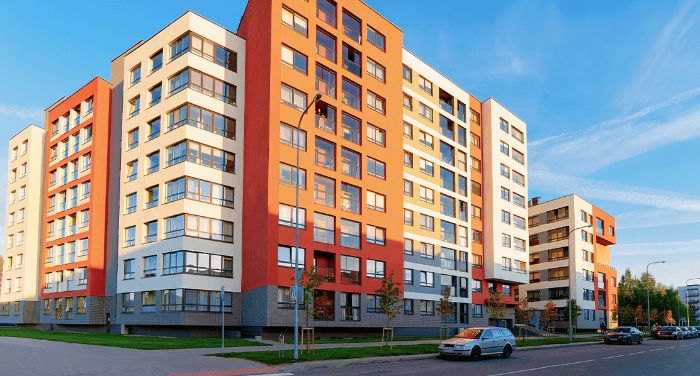
This realm of online connectivity technologies is rapidly evolving, and this change is particularly notable in MDUs. MDUs are complexes that accommodate multiple separate living spaces, such as residential developments and condominiums. As technology advances, occupants of these properties expect higher-speed and more stable internet connections. This article explores the outlook of online connectivity technologies in multi-unit properties, focusing on the importance of ultrafast network access, innovative solutions, and the impact of ISPs.
One major development in online connectivity solutions is the shift towards fiber-optic networks. Fiber-optic technology utilize light to transmit data, enabling much faster bandwidth compared to conventional copper cables. In MDUs, installing fiber-optic infrastructure can allow residents to access ultrafast online connectivity for streaming, gaming, and remote work. Service providers are increasingly recognizing the need for these high-performance connections. As a result, many new developments are being built with fiber-ready network systems already in operation. This not only enhances the living experience but also renders the building more appealing to prospective residents.
In addition to fiber-optic technology, other technologies are also making waves in MDUs. One such technology is fixed wireless access (FWA), which provides online access through wireless transmission instead of cables. FWA can be a affordable option for buildings that may not have access to traditional cabling or where installation might be challenging. This navigate here technology is becoming popular in urban areas where installation space is limited. By implementing fixed wireless access, occupants can enjoy high-speed internet without the need for complex wiring systems.
A further check that notable advancement in online connectivity for MDUs is the implementation of intelligent building systems. Intelligent properties utilize various devices connected to the network to enhance efficiency and elevate living convenience. For example, smart routers can regulate bandwidth usage among residents, ensuring everyone receives a fair share of connectivity. Additionally, these technologies can help with network protection by tracking online behavior and detecting suspicious activity. As more developments incorporate smart technologies, tenants will experience improved internet service along with better overall living conditions.
In conclusion, partnership between real estate developers and internet service providers will be essential for the advancement of internet solutions in multi-dwelling units. By working together from the design stage, builders can guarantee that their buildings are equipped with the most advanced infrastructure, while service providers can deliver customized services that meet the unique needs of each resident community. This collaboration will pave the way for a stronger digital environment within residential complexes, ultimately resulting in happier tenants and increased asset value.
In conclusion, the future of internet connectivity technologies in MDUs looks bright due to advancements such as fiber-optic networks, fixed wireless access, and smart building solutions. These innovations seek to provide occupants with faster and more stable internet access while making buildings more appealing to prospective residents. As partnership between builders and service providers becomes more prevalent, residents can expect an improved digital experience in their living spaces. The ongoing evolution of these systems will undoubtedly influence how we connect and interact in our daily lives within multi-dwelling units.